MySQL and MariaDB are widely used for websites, business applications, e-commerce platforms and custom software. However, database administration through command-line tools alone can be time-consuming, particularly for teams managing several servers.
Navicat for MySQL provides a graphical environment for managing and developing MySQL and MariaDB databases. Its capabilities include visual database design, data management, import and export, synchronisation and a drag-and-drop query builder.

Simplify Everyday Database Administration
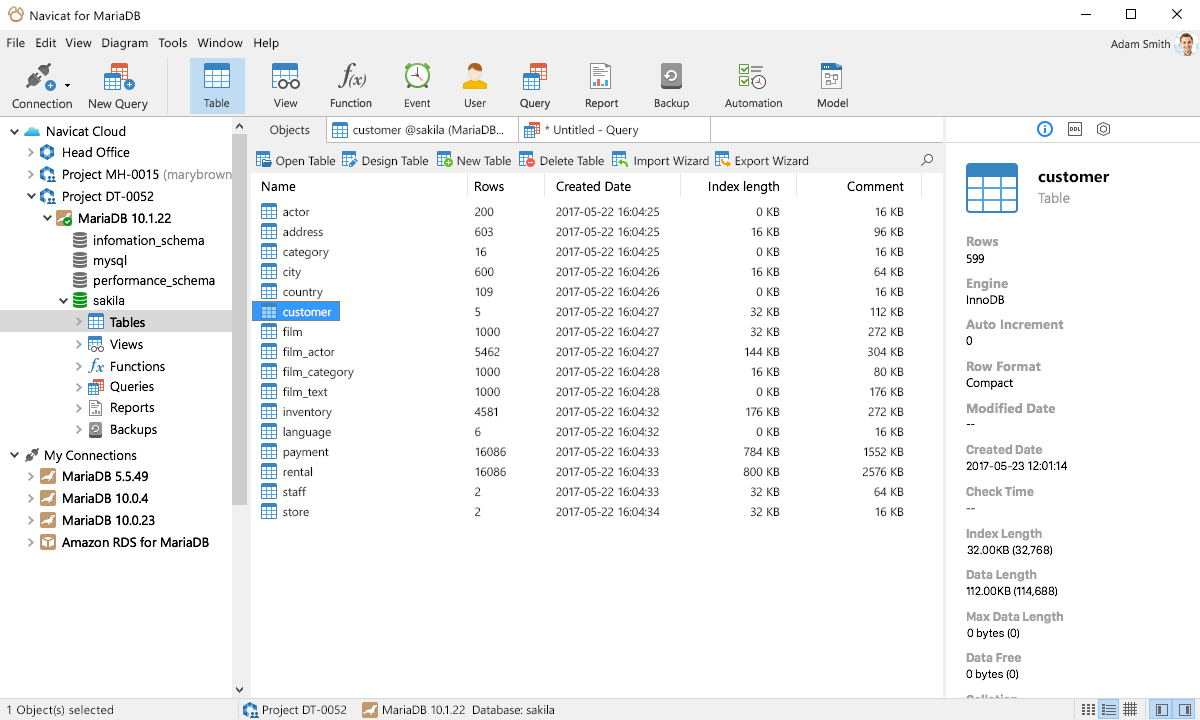
Navicat for MySQL allows developers and administrators to view and manage database objects through a structured interface.
Users can work with:
- Tables.
- Views.
- Queries.
- Functions.
- Events.
- Users and permissions.
- Data records.
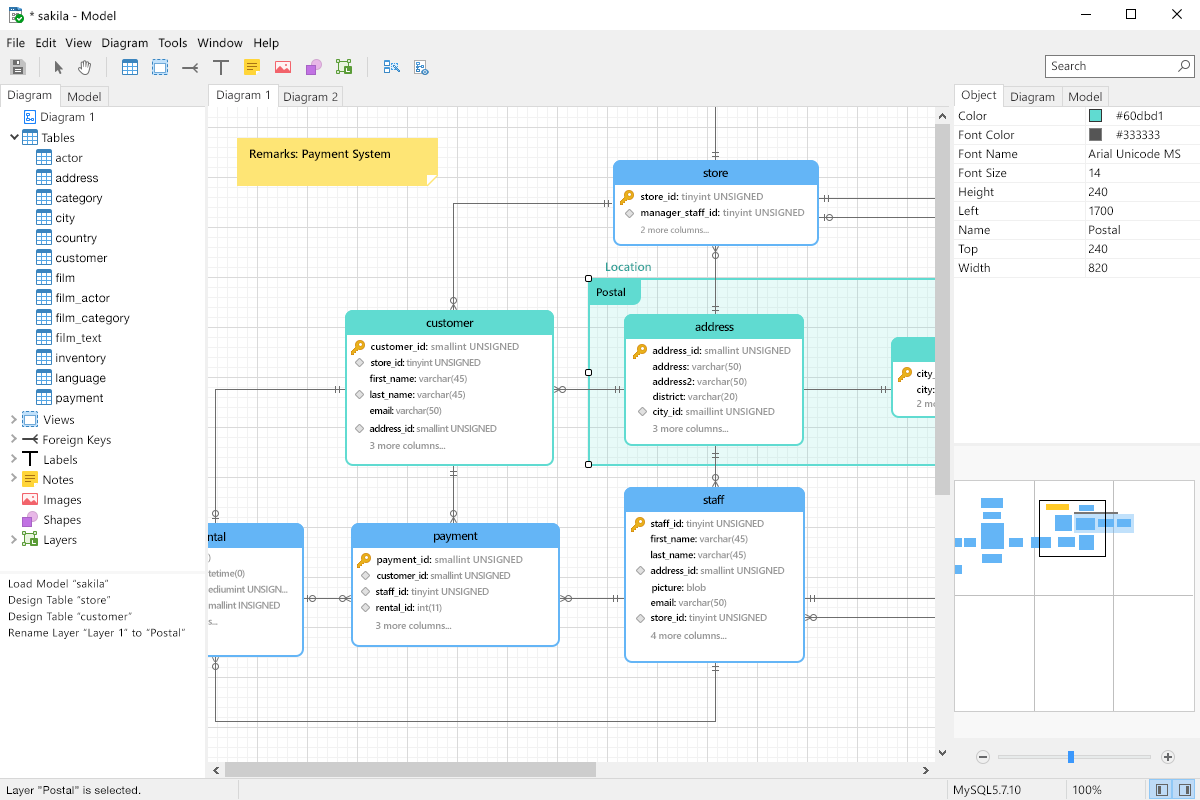
- Database models.
This can make common database tasks more accessible while allowing experienced developers to continue writing SQL directly.

Build Queries Visually
The query builder helps users construct SQL queries by selecting tables, fields, relationships and conditions through a graphical interface.
This is useful for:
- Creating operational reports.
- Joining data from multiple tables.
- Preparing exports.
- Validating application information.
- Helping junior team members understand SQL structure.
Import, Export and Synchronise Data
Navicat can help teams import information into a database and export tables or query results into commonly used formats.
Data and structure synchronisation functions can also support development, testing and migration activities.
Improve Database Documentation
Database modelling and data-dictionary capabilities can help teams document structures and communicate database designs to developers, project managers and other stakeholders.
Who Should Consider Navicat for MySQL?
The product may be suitable for:
- Website development companies.
- SaaS application developers.
- Hosting and infrastructure teams.
- E-commerce operators.
- Universities.
- Government IT departments.
- Organisations using MySQL or MariaDB business systems.