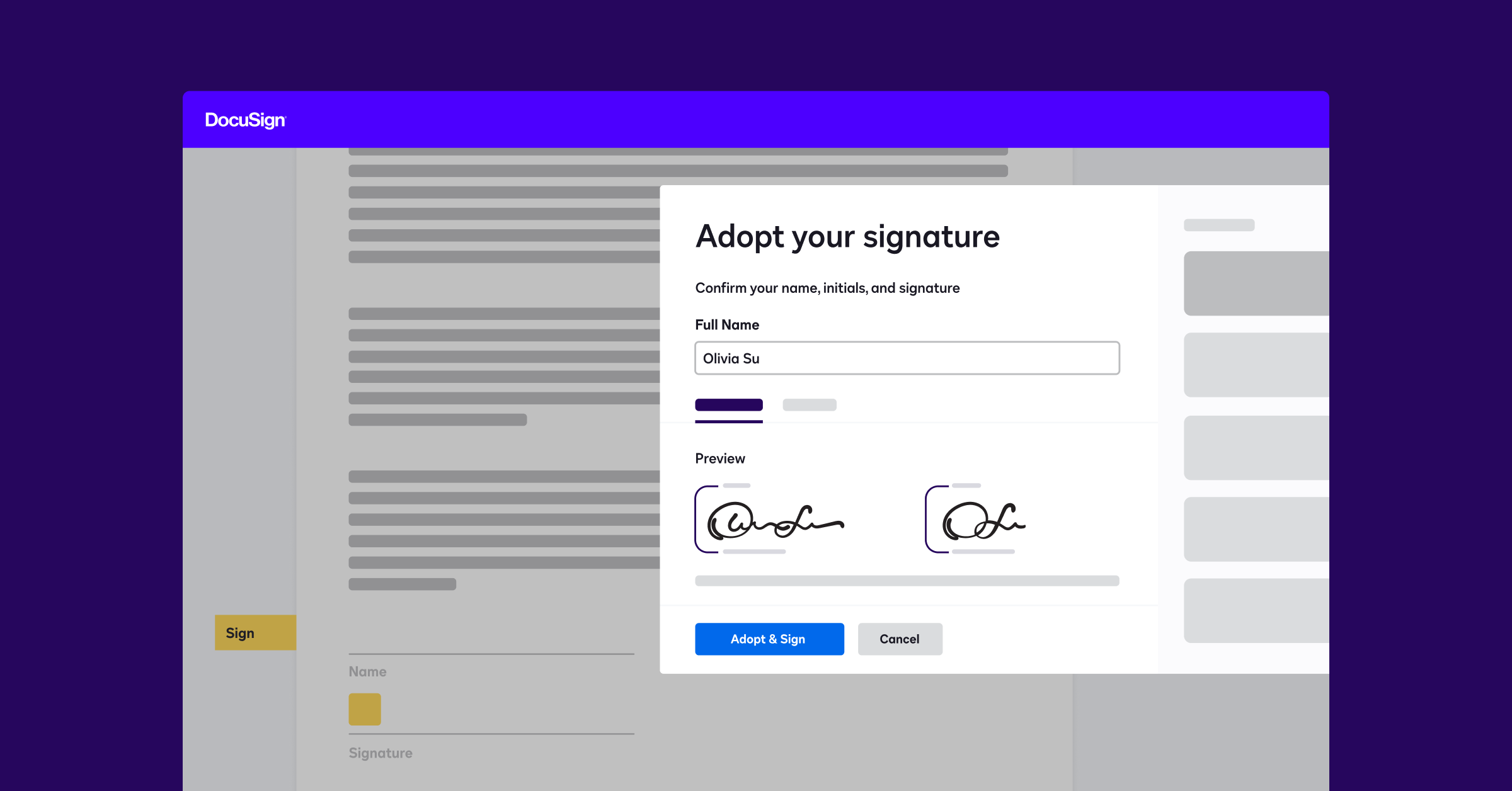
Manual signatures remain familiar, but the surrounding process is often inefficient.
A document may need to be printed, delivered, signed, scanned, returned, checked and manually stored. When multiple signers are involved, employees may also need to track each person separately.
Docusign replaces many of these steps with an electronic workflow.

Process Comparison
| Process Area | Manual Signature | Docusign |
| Document delivery | Email, courier or hand delivery | Electronic delivery |
| Signing location | Often office-dependent | Compatible connected devices |
| Document preparation | Repeated manual preparation | Reusable templates |
| Follow-up | Calls and emails | Automated reminders |
| Status visibility | Manual checking | Electronic status tracking |
| Storage | Cabinets or shared folders | Digital records and connected repositories |
| Multiple signers | Separate coordination | Configurable routing |
| Integration | Usually disconnected | Integrations and APIs available |
Advantages of Docusign
Faster document circulation
Recipients do not need to wait for physical delivery or arrange an in-person signing appointment.
Better workflow visibility
The sender can see whether the envelope is awaiting action, completed or requires attention.
More consistent document preparation
Templates reduce the need to recreate frequently used documents and signature fields.
Easier remote collaboration
Customers, employees and suppliers can participate from different locations.
Reduced manual follow-up
Automated reminders can prompt recipients without requiring an employee to send repeated emails.
Stronger process controls
Docusign provides encryption, tamper-evident documents and signer authentication options.
When Might Manual Signing Still Be Required?
Manual signatures may remain necessary when:
- A law requires physical execution
- Wet signatures are specifically requested
- Witnesses must be physically present
- The receiving organisation does not accept electronic signatures
- The process involves documents excluded from electronic execution
- Connectivity or accessibility limitations prevent electronic completion
Electronic Signing Is a Process Improvement Project
Simply replacing a pen with an electronic signature field will not resolve every problem.
Organisations should also examine:
- Who prepares the document
- Who approves the terms
- Who sends it
- Who signs it
- Where the completed document is stored
- How renewal or expiry is monitored
Docusign provides the greatest value when it is incorporated into a clearly designed agreement workflow.
Conclusion
Manual signing may remain appropriate for certain transactions, but Docusign offers a more efficient approach for many recurring business agreements.
BINTARA can help evaluate your current signing process and recommend an appropriate Docusign solution.

