Navicat Data Modeler 4: Design Databases Before Development Begins

Navicat Data Modeler

Poor database design can lead to duplicated information, inconsistent relationships, difficult reporting, and expensive application changes.

Database modelling helps technical teams identify these problems before development reaches production.

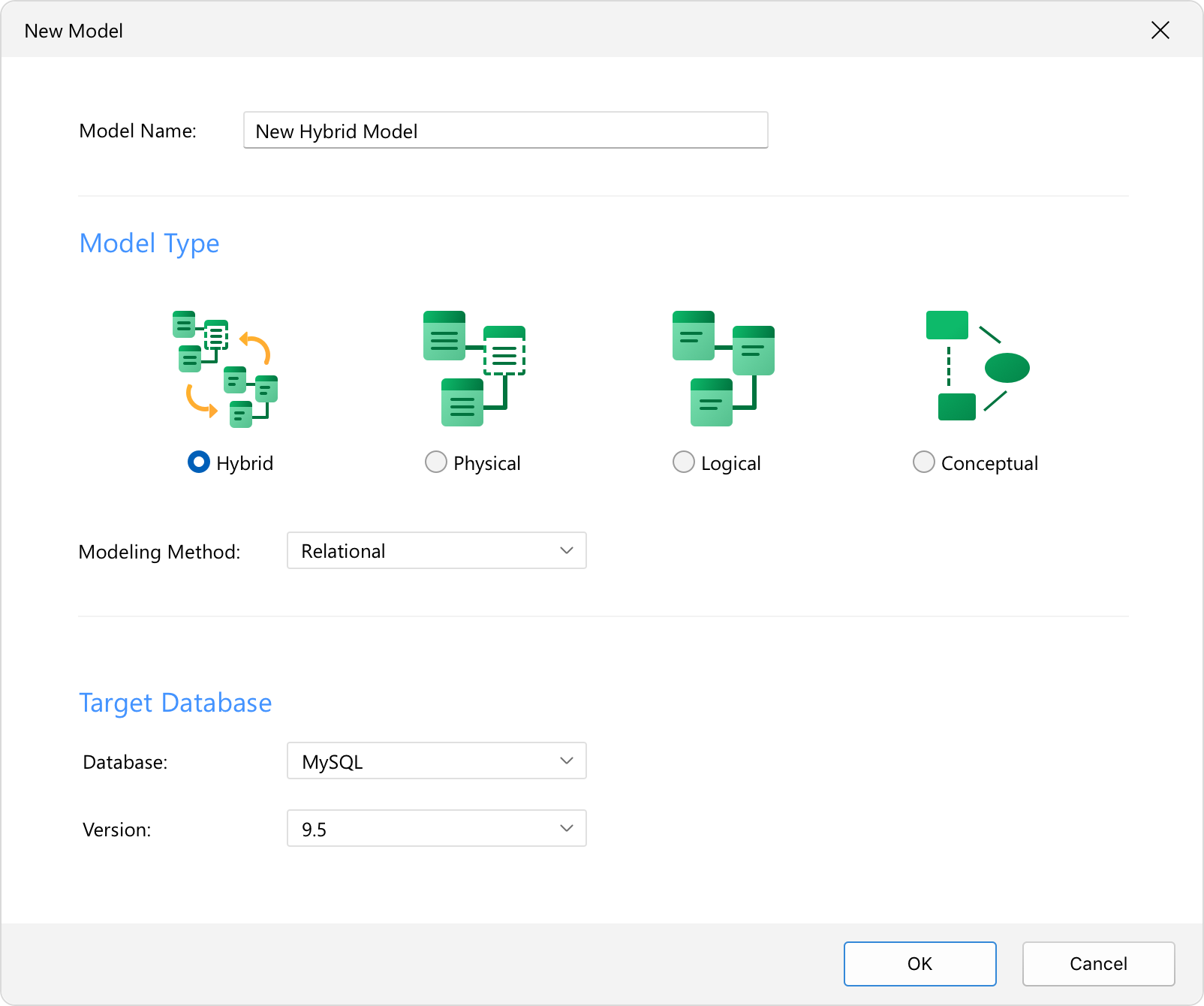
Navicat Data Modeler 4 is a database design solution for creating conceptual, logical, and physical data models. It supports visual database design, reverse and forward engineering, SQL or DDL generation, and model import through ODBC data sources.

According to Navicat Data Modeler, the platform helps organizations design, document, and maintain database structures across multiple database environments.

Conceptual Data Modelling

A conceptual model presents a high-level view of important business entities and their relationships.
For example, a customer management system may contain entities such as:

  • Customer
  • Organisation
  • Contact
  • Opportunity
  • Quotation
  • Order
  • Payment

This model helps business and technical stakeholders agree on the required information before detailed database work begins.

Using Navicat Data Modeler 4, teams can visualise these relationships through an intuitive ER diagram tool before moving into technical implementation.

Logical Data Modelling

A logical model adds greater detail, including attributes, keys, and relationships.

It allows teams to validate how business information should be organised without being restricted to a specific database platform.

Navicat Data Modeler 4 enables database architects to refine structures and relationships before committing to a physical database implementation.

This helps reduce costly redesign efforts later in the development lifecycle.

Physical Data Modelling

The physical model translates the design into structures suitable for a selected database engine.

This may include:

  • Tables
  • Columns
  • Data types
  • Indexes
  • Primary keys
  • Foreign keys

As a database design software solution, Navicat Data Modeler 4 helps teams prepare database structures that align with platform-specific requirements while preserving design consistency.

Reverse Engineering Existing Databases

Organizations do not always have up-to-date documentation for their databases.

Reverse engineering capabilities can help create a model from an existing environment, making it easier to understand legacy systems and prepare migration or modernization initiatives.

According to Navicat Data Modeler Features, reverse engineering helps teams transform existing database structures into visual models for analysis and documentation.

For organizations managing older systems, Navicat Data Modeler 4 can significantly improve visibility into existing database environments.

Forward Engineering for Faster Deployment

Once a database model has been approved, Navicat Data Modeler 4 can generate SQL or DDL scripts for supported database platforms.

Generated scripts should always be reviewed and tested before being applied to production environments.

Forward engineering helps development teams move more efficiently from approved designs to deployment-ready database structures.

Supported Database Environments

Navicat Data Modeler 4 supports a wide range of database platforms, including:

  • MySQL
  • PostgreSQL
  • MongoDB
  • MariaDB
  • SQL Server
  • Oracle
  • SQLite
  • Snowflake

This flexibility allows organizations to standardize database design workflows while supporting multiple technology environments.

Navicat Data Modeler 4 at a Glance

Database Design ChallengeNavicat Data Modeler 4 Benefit
Unclear Business RequirementsConceptual Data Modelling
Complex RelationshipsVisual ER Diagrams
Inconsistent Database StructuresLogical Data Modelling
Lack of DocumentationReverse Engineering
Manual Script CreationForward Engineering
Multi-Platform EnvironmentsBroad Database Support

Helpful Navicat Resources

Request a Navicat Data Modeler 4 Quotation

Whether you’re designing a new application, modernizing a legacy system, or documenting existing databases, Navicat Data Modeler 4 helps organizations build stronger database foundations before development begins.

BINTARA can assist development teams, universities, government agencies, and organizations in selecting the appropriate Navicat licensing model and deployment approach.